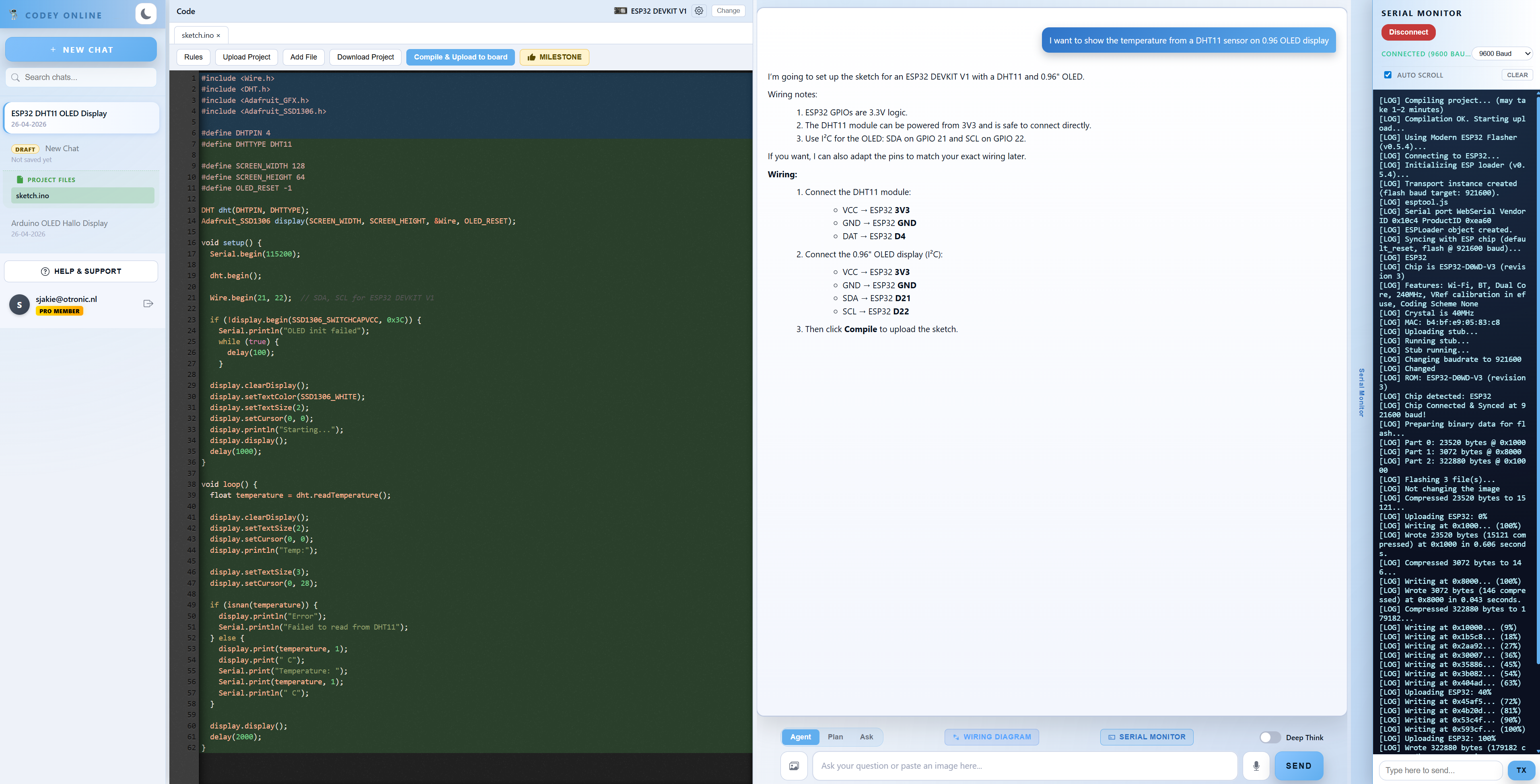
Just describe your idea. Codey writes the code, draws the wiring diagram, compiles it in the cloud, and uploads it straight to your board — all from one browser tab. No IDE, no driver hell, no setup.
For users searching for a "better" version of the classic Stickam vibe, modern video ecosystems offer major upgrades in infrastructure, security, and user experience. The Old Era (Stickam) The Modern Era (Twitch / YouTube / Kick) 240p to 360p standard definition 1080p up to 4K ultra-high definition Streaming Protocol Legacy Adobe Flash Player Low-latency WebRTC and RTMP streaming Community Safety Manual, delayed text reporting AI moderation, live blocklists, and dedicated mods Creator Economy None (purely social) Subscriptions, virtual gifting, and direct ad splits Key Platforms Elevating Live Streaming Today
Stickam, launched in the mid-2000s, was one of the absolute pioneers of user-generated live video chat, giving rise to early internet personalities and establishing the template for community-driven broadcasts.
The internet landscape of the mid-to-late 2000s was a wild, unregulated frontier. While today we have curated, polished platforms, back then, the charm lay in the raw, authentic, and often chaotic nature of webcams, chat rooms, and early live streaming. Among the pioneers of this era was , a video-sharing and live-streaming site that cultivated a tight-knit community of creators and viewers.
The phrase "better" points toward a common sentiment among internet historians: early live streams felt more genuine. Without complex algorithms pushing content or integrated monetization engines altering creator incentives, interactions felt experimental and direct. Why Modern Live Video Infrastructure is Objectively Better
If you are trying to track down a from the old webcam days, or if you are looking for a streaming platform tailored to a specific niche , let me know. I can provide deep-dive recommendations based on what you want to broadcast or watch! Share public link
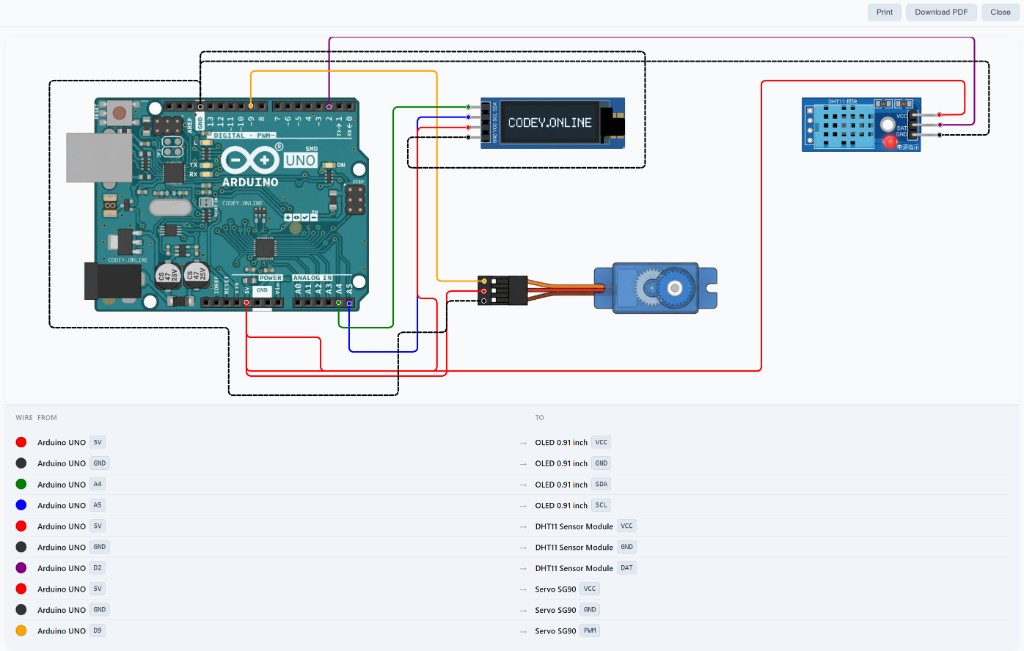
Every Codey project comes with a real wiring diagram. Color-coded wires, labeled pins, and a complete connection table — exportable as PDF or printed straight from your browser.
Red for 5V, black for GND, signals in distinct colors — exactly how you'd draw it on paper, only neater.
Below every diagram you get a Wire From → To list with pin labels, so you can wire your circuit without guessing.
One click to download a printable PDF of the diagram — handy for workshops, classrooms or your own build log.
Codey ships with a library of common modules: OLED displays, DHT11/22, HC-SR04, servos, relays, MOSFETs, RGB LEDs and many more.
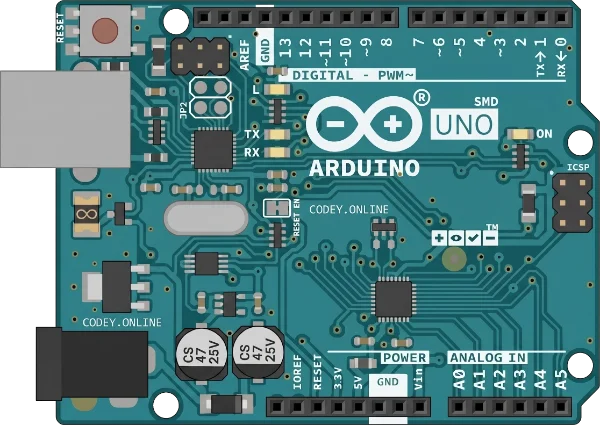
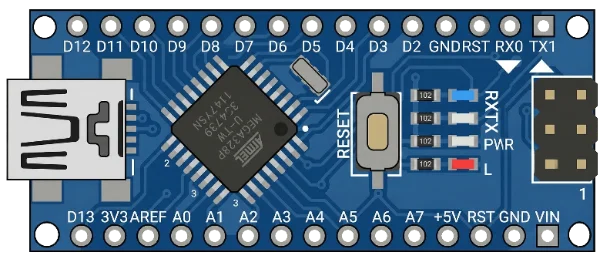
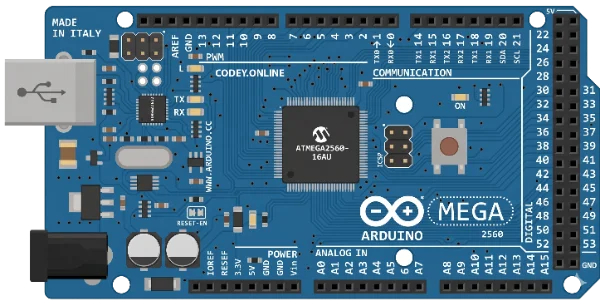
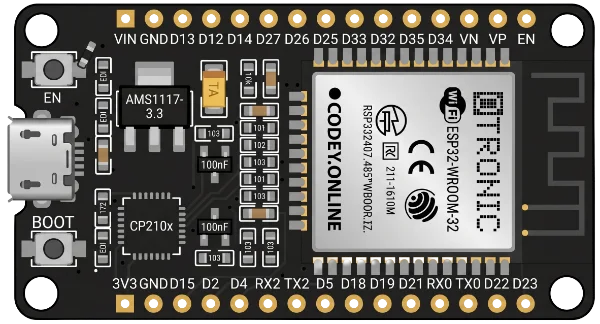
Codey works out of the box with the most popular development boards. Plug one in over USB, pick it from the dropdown, and start vibing.
The classic. ATmega328P @ 16 MHz, 14 digital I/O, 6 analog inputs. Perfect for beginners.
Compact ATmega328P board. Same brains as the UNO, breadboard-friendly form factor.
54 digital I/O and 16 analog inputs. The go-to when one UNO simply isn't enough.
The popular WROOM-32 module. Dual-core 240 MHz, Wi-Fi + Bluetooth, 30 GPIO.
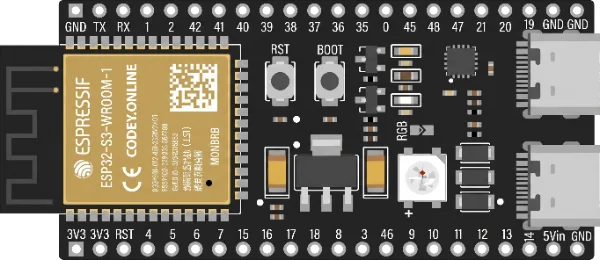
Beefy S3: 16 MB Flash, 8 MB PSRAM, native USB-CDC. Two USB ports — Codey knows which is which.
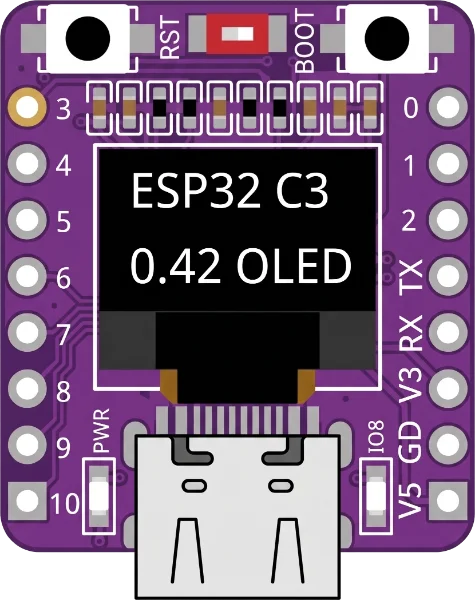
RISC-V single-core, ultra-low-power, USB-C and a built-in OLED. Tiny but very capable.
More boards added regularly. Direct USB upload over Web Serial — no drivers, no Arduino IDE required.
If you love vibe coding with Cursor or Claude Code, you'll feel right at home in Codey. Same describe-it-and-it-builds flow — except Codey runs your code on a real Arduino or ESP32, not on a server.
For users searching for a "better" version of the classic Stickam vibe, modern video ecosystems offer major upgrades in infrastructure, security, and user experience. The Old Era (Stickam) The Modern Era (Twitch / YouTube / Kick) 240p to 360p standard definition 1080p up to 4K ultra-high definition Streaming Protocol Legacy Adobe Flash Player Low-latency WebRTC and RTMP streaming Community Safety Manual, delayed text reporting AI moderation, live blocklists, and dedicated mods Creator Economy None (purely social) Subscriptions, virtual gifting, and direct ad splits Key Platforms Elevating Live Streaming Today stickam elllllllieeee better
Stickam, launched in the mid-2000s, was one of the absolute pioneers of user-generated live video chat, giving rise to early internet personalities and establishing the template for community-driven broadcasts. For users searching for a "better" version of
The internet landscape of the mid-to-late 2000s was a wild, unregulated frontier. While today we have curated, polished platforms, back then, the charm lay in the raw, authentic, and often chaotic nature of webcams, chat rooms, and early live streaming. Among the pioneers of this era was , a video-sharing and live-streaming site that cultivated a tight-knit community of creators and viewers. While today we have curated, polished platforms, back
The phrase "better" points toward a common sentiment among internet historians: early live streams felt more genuine. Without complex algorithms pushing content or integrated monetization engines altering creator incentives, interactions felt experimental and direct. Why Modern Live Video Infrastructure is Objectively Better
If you are trying to track down a from the old webcam days, or if you are looking for a streaming platform tailored to a specific niche , let me know. I can provide deep-dive recommendations based on what you want to broadcast or watch! Share public link
Cursor and Claude Code are excellent general-purpose AI coding tools — we use them ourselves. They're just not made for blinking an LED on a microcontroller. Codey Online fills that gap. Cursor® is a trademark of Anysphere Inc.; Claude™ and Claude Code™ are trademarks of Anthropic PBC. Not affiliated with either company.
Start vibing for free. Upgrade for unlimited AI and pro power.
For students and hobbyists.
For makers and creators.
Codey Online is built by OTRONIC, a Netherlands-based electronics company. We're passionate about making hardware programming accessible to everyone — from primary-school kids to professional firmware engineers.
We saw too many beginners give up on the traditional Arduino IDE because of driver issues, missing libraries and cryptic C++ errors. Codey closes that gap with modern AI and Web Serial — so you can stay in the flow and just vibe your way to a finished project.